The automotive landscape is shifting rapidly, and few vehicles are navigating that transition quite like the upcoming Porsche 718.
After months of speculation, heavily camouflaged test mules, and intense industry debate, the next-generation Porsche 718 EV is finally stepping into the light. Decoding the latest unmasked prototypes reveals a vehicle that strikes a precise, calculated balance between honoring deep-rooted Porsche heritage and aggressively embracing an electric future.
Here is our deep dive into the design evolution, the engineering hurdles, and what this means for the future of the mid-engine sports car.
Design Evolution: Honing the Silhouette
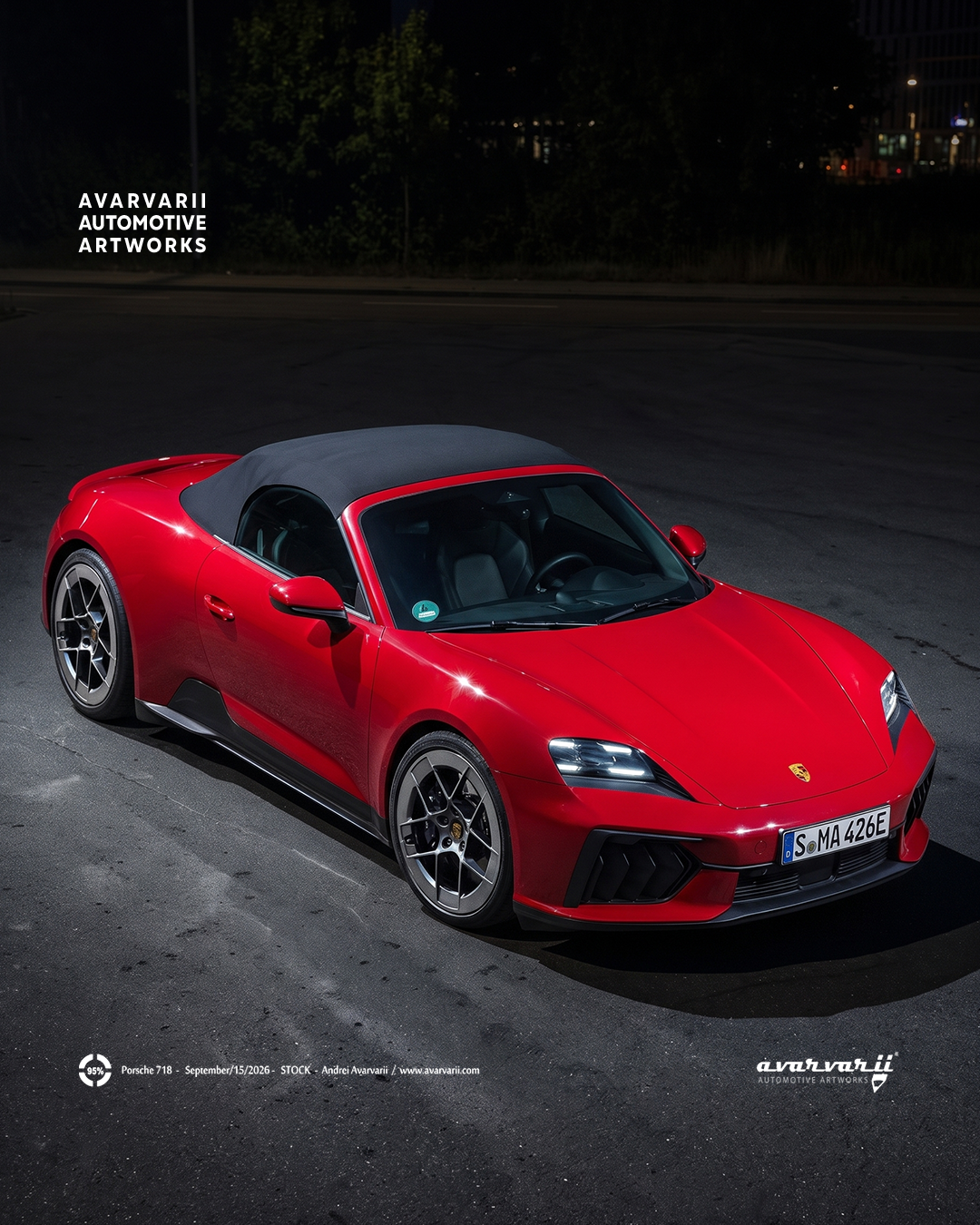
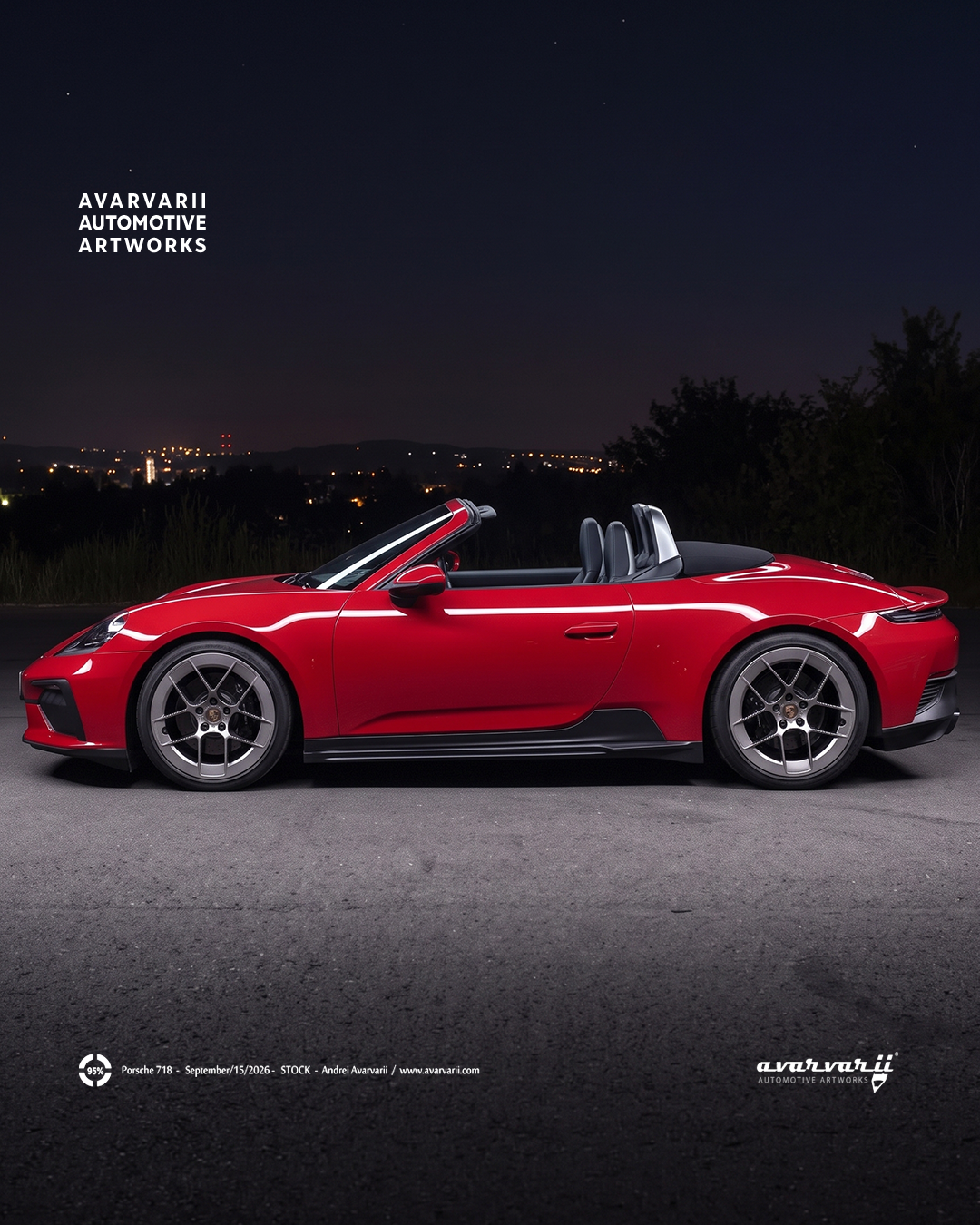
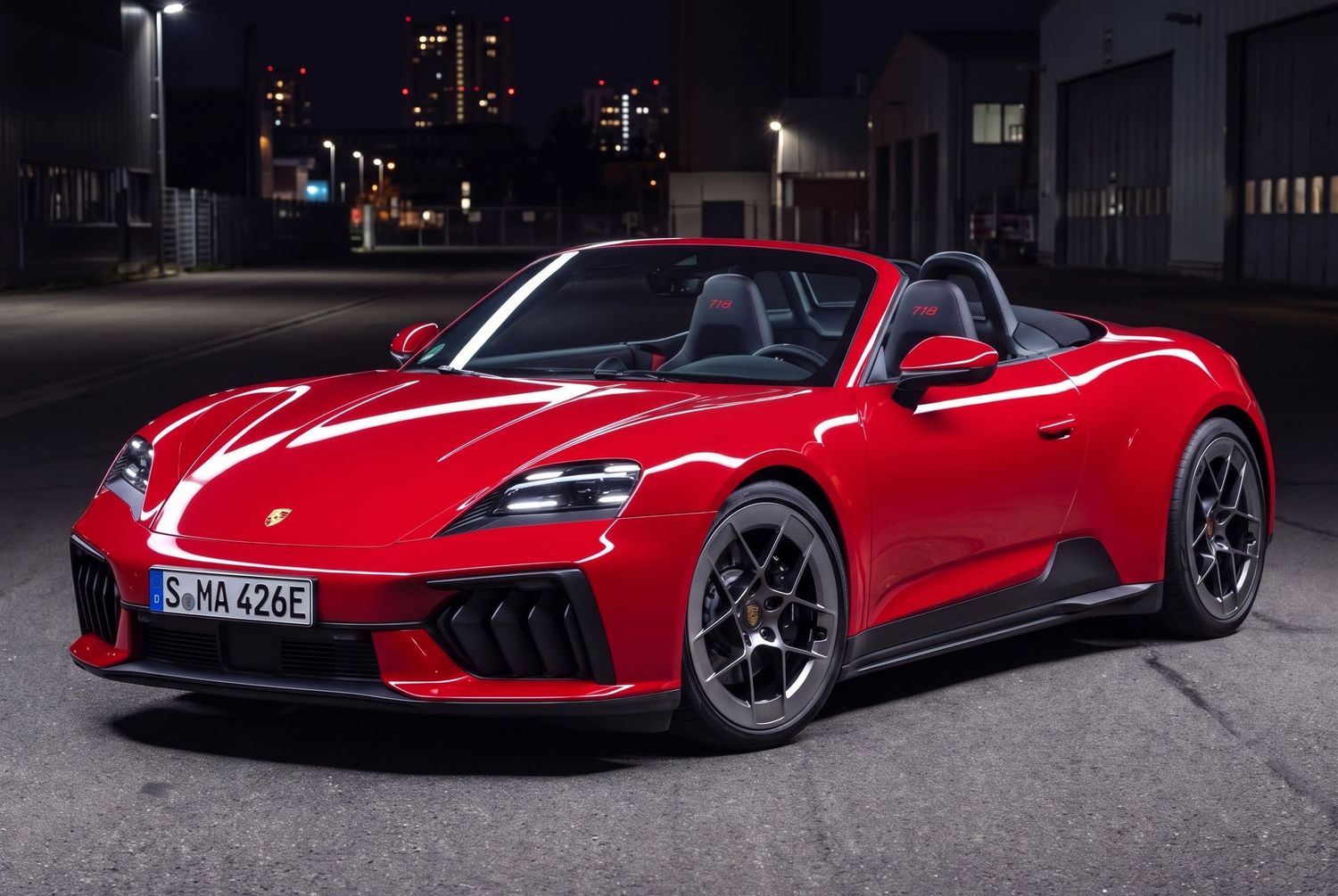
When translating an iconic internal-combustion sports car into a battery-electric vehicle, the primary challenge for any design team is managing proportions. The floor-mounted battery packs of modern EVs often dictate a taller vehicle, but Porsche has masterfully preserved the classic low-slung silhouette, short overhangs, and wide stance that have defined the 718 lineage for decades.
At the front, the aesthetic has been distinctly sharpened. The new 718 adopts sleek, four-point LED headlights heavily inspired by the current Taycan and the recently launched Macan EV. This signature lighting not only integrates the 718 into Porsche’s modern electric family but gives the fascia a highly focused, modern edge. Large, functional cooling intakes remain in the lower bumper, necessary for battery thermal management and brake cooling.
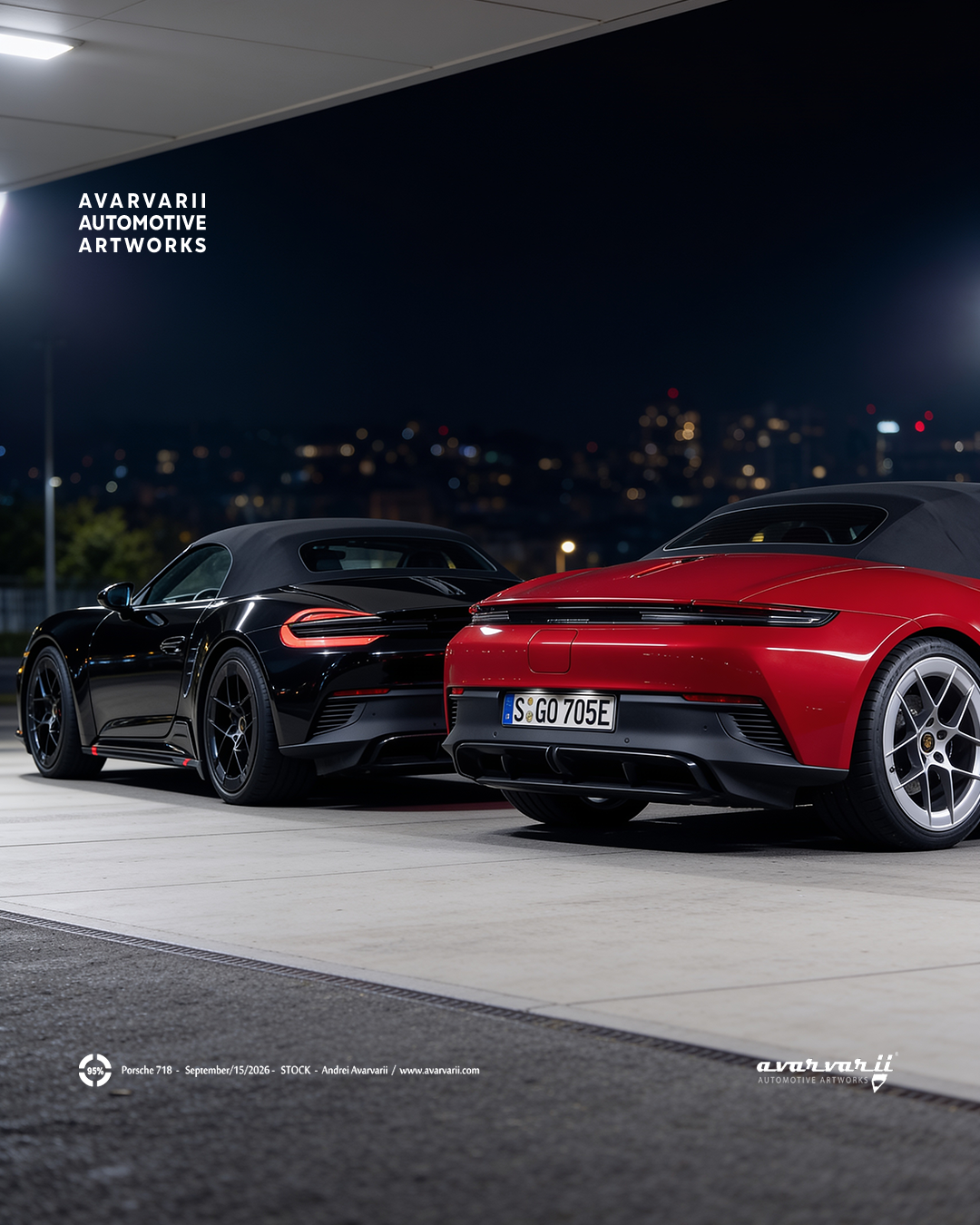
The rear of the vehicle is where the most dramatic departure from tradition occurs. The central exhaust cutouts are, naturally, gone. In their place is a refined lower aerodynamic diffuser that manages airflow from beneath the smooth EV underbody. Above it, Porsche has integrated a striking, continuous horizontal LED light bar that stretches across the entire rear fascia, visually emphasizing the vehicle's width and grounding its stance on the road.
The Controversy and the Comeback
Make no mistake: this model is undeniably controversial. The decision to transition a lightweight, dynamically pure mid-engine sports car to a heavier battery-electric architecture has heavily divided the automotive community.
The friction surrounding the feasibility of electric sports cars—and the engineering challenge of matching the visceral engagement of the outgoing models—led to widespread industry rumors that the 718 EV had been paused or canceled entirely. However, recent unmasked testing and statements from Porsche executives confirm that the project is officially back on track. The electric Boxster and Cayman are heading toward production, promising a driving dynamic that retains the "go-kart" feel and strict weight distribution the chassis is famous for.
Combustion is Not Dead
For the purists who remain skeptical of an electric 718, there is a significant and highly engineered silver lining.
Recognizing that the market for emotionally charged, gas-powered sports cars remains incredibly strong, Porsche is actively modifying its EV-centric Premium Platform Electric (PPE) architecture. This reverse-engineering feat will allow the automaker to offer internal combustion powertrains alongside the new EV models.
While the standard models will champion the electric era, high-performance "halo" variants are slated to keep the combustion flame alive. Expect to see advanced drivetrains—potentially utilizing the cutting-edge "T-hybrid" technology derived from the new 911 Carrera GTS—powering future iterations of the GT4 and Spyder. This dual-path strategy ensures that the visceral, gas-powered legacy of the 718 continues for those who demand it, while pushing the technological envelope forward.
Join the Conversation
The next chapter of the Porsche 718 is shaping up to be one of the most fascinating engineering and design stories of the decade.
Whether you are fully embracing the instant torque of the electric era or holding out for the traditional combustion variants, we want to hear your take. Does the new design language win you over? Let us know your thoughts on Instagram.
If you found this design analysis insightful, please share this post. Sharing directly supports our studio and allows us to keep bringing you exclusive automotive artwork and future car intel.